
Old vs New Windows: When Is It Worth Upgrading?
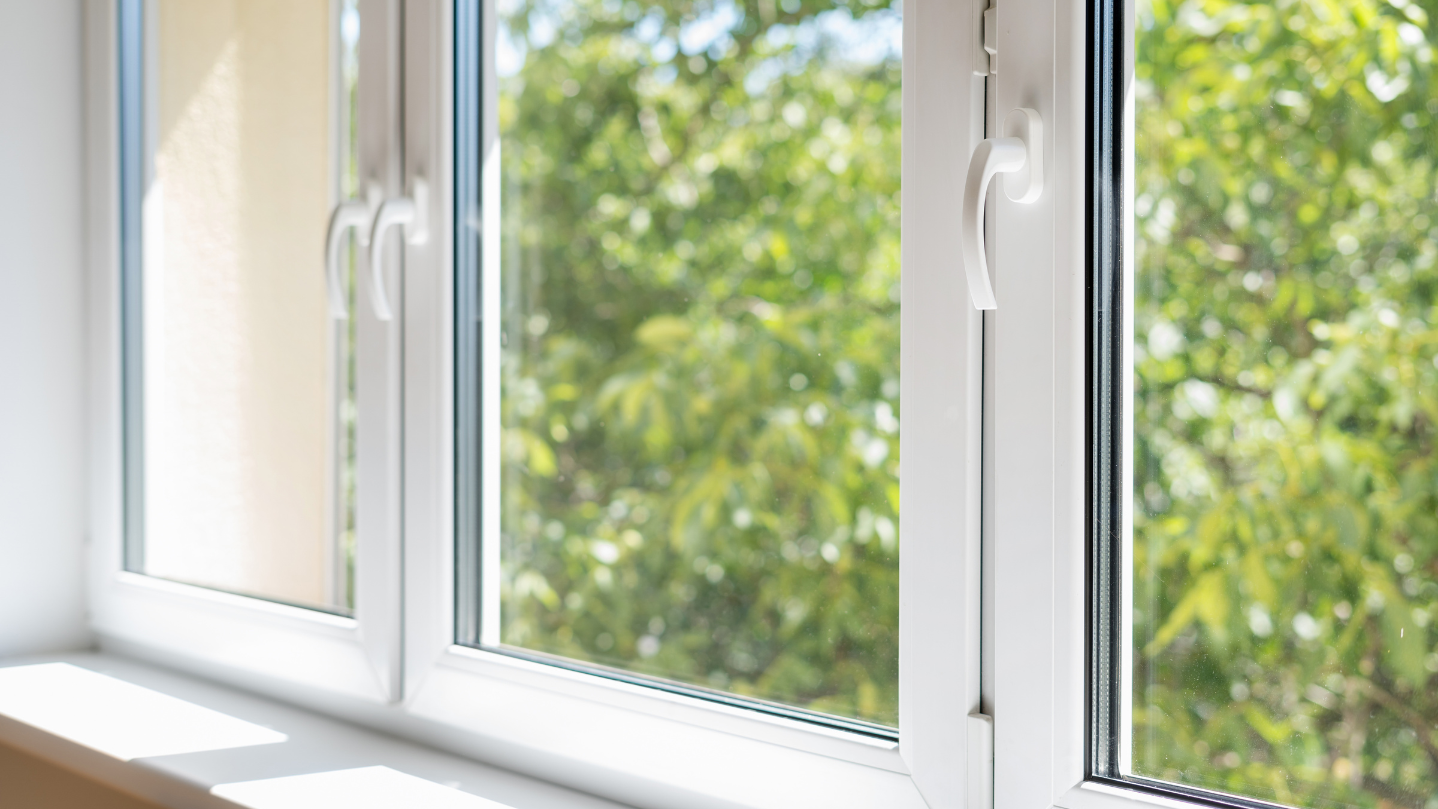
Windows are parts of the home you don’t often think about until one breaks or something goes wrong. They provide ventilation, let in natural light, and connect your home to the outdoors, but over time, your older windows can start to affect comfort, energy efficiency and security. Even if your windows are relatively new, poor quality or installation can affect your comfort (and costs) more than you think.
So, how do you know when it’s actually worth upgrading?
1. Your Windows Are Draughty
If you can feel air coming through closed windows or doors, your seals may have deteriorated or the frames may no longer be providing an effective barrier.
Older single-glazed windows and worn seals can allow unwanted air movement, making rooms harder to keep comfortable. Modern double-glazed windows use multiple panes, insulating gaps and quality seals to help reduce draughts and improve thermal performance.
2. Your Home Gets Too Hot or Too Cold
Older windows can allow significant heat transfer between the inside and outside of your home. In summer, sunlight can quickly heat up rooms, while in winter, heat can escape through poor insulation.
Modern double glazing helps create an insulating barrier, reducing heat transfer and help maintain a more consistent indoor temperature throughout the year.
3. You’re Constantly Using Your Air Conditioning or Heating
Poor insulation and seals can cause you to rely more heavily on heating and cooling. Ultimately, you’ll spend more cash on electricity or gas bills just to maintain a comfortable temperature.
Upgrading to higher-quality windows with proper seals and double glazing can help reduce heat transfer and maintain a more consistent temperature. This change can help reduce your bills as you’re less reliant on your heater and aircon.
4. Outside Noise Is Becoming a Problem
Noise from traffic, wind, construction and neighbours can all make their way through older or poorly installed windows.
Modern double-glazed systems can significantly reduce outside noise by using multiple glass panes and sealed gaps. This can make a noticeable difference, with noise reduction of up to 70% possible in some conditions, especially if you live in a busy area.
5. Your Windows Are Difficult to Open or Close
Windows that stick, jam, rattle or no longer close properly may have deteriorated over time.
While some hardware problems can be repaired and clean ups can temporarily help, issues may reoccur in the future if the underlying frames, seals or structure aren’t addressed with a practical long-term solution.
6. You’re Seeing Condensation or Moisture Problems
Persistent condensation can be a sign that your windows aren’t providing enough thermal insulation. Older glazing can develop colder internal surfaces, allowing moisture to form more easily. So if you regularly notice build-ups of moisture, it may be worth having your windows and doors checked .
When Is It Worth Upgrading?
Not every old window needs to be replaced. If your windows are still structurally sound, secure and performing well, then there may be little reason to replace them yet. However, if you’re dealing with several problems at once or are looking for a more reliable long-term solution, it may be time to consider an upgrade. Whether it’s the entire home or just a couple of windows, upgrading poorly installed or aged windows can help keep your home more comfortable and reliable for years to come.
Get a free online quote
Use our simple online calculator to receive an instant estimation for your project. Please note the instant estimate is for white frames and doesn't include installation or accessories. Prices are subject to change.