
5 Invisible Effects of UV Light and How Your Windows Can Help
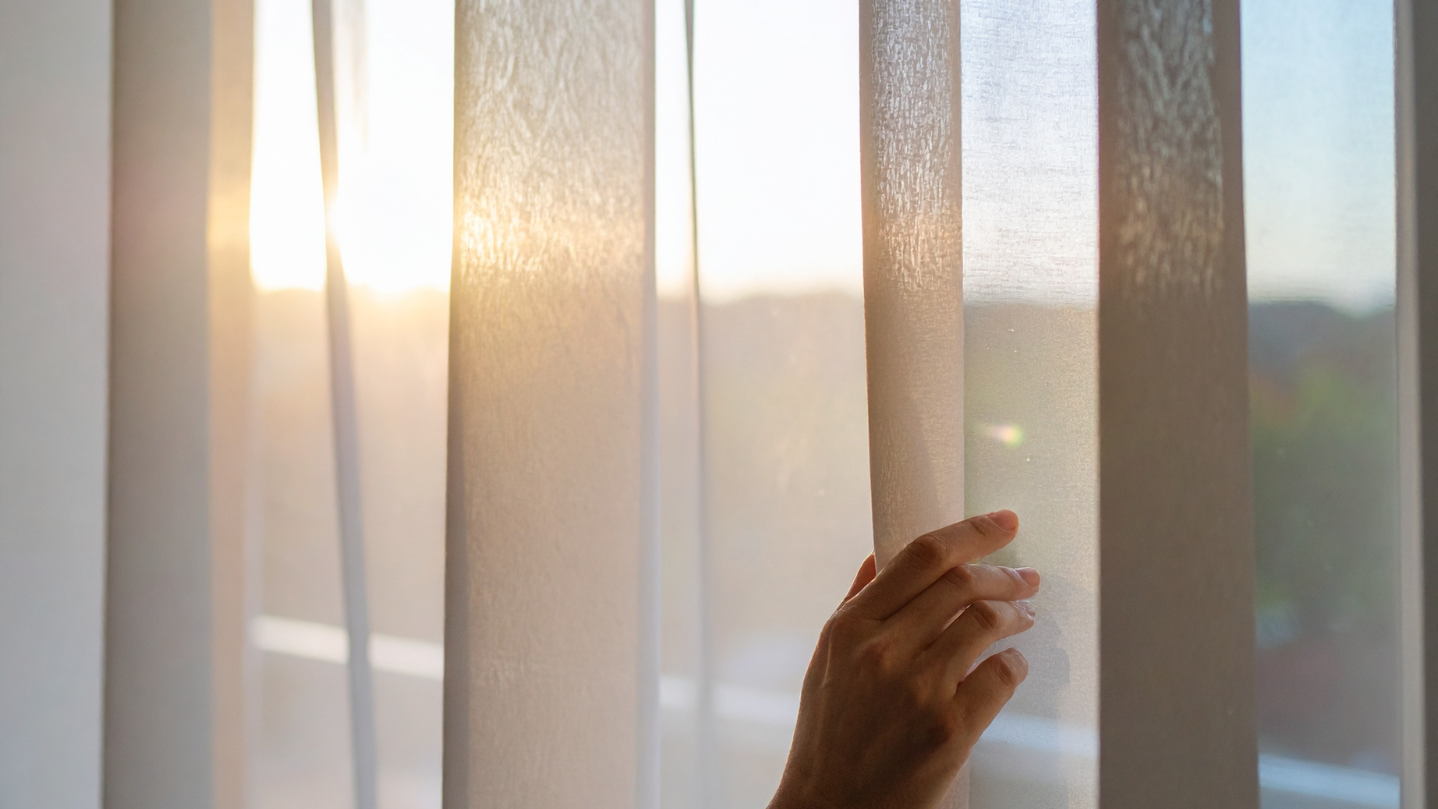
Sunlight feels great. It boosts your mood, helps regulate sleep, and gives you that natural energy throughout the day. But beyond the warmth and brightness, there’s an invisible factor at play: UV (ultraviolet) light.
While some exposure is beneficial, prolonged exposures to ultraviolet light (also referred to as ultraviolet radiation) can have lasting detrimental effects on your body. This can include exposure from both outside the home and indoors.
Here are 5 things UV light is doing to your body without you noticing
1. Skin Damage and Premature Ageing
UV rays penetrate the skin and break down collagen over time, leading to wrinkles, fine lines, and loss of elasticity. It’s one of the main causes of premature ageing, without obvious signs.
2. Increased Risk of Skin Cancer
Prolonged exposure to UV radiation is one of the leading causes of skin cancer. Even low, consistent exposure over time, like sitting near windows, can contribute to long-term risk. Skin cancers are silent killers, and you often won’t notice it without regular checks, even if you don’t get sunburned.
3. Eye Strain and Long-Term Eye Damage
Another effect that people overlook is UV’s effect on your eyes, which can contribute to irritation, fatigue, and in some cases poor long-term eye conditions. Constant exposure to sunlight can lead to increased visual discomfort throughout the day or macular degeneration.
4. Tanning and Uneven Skin Tone
While a tan is often seen as desirable, it’s actually a sign of skin damage. Exposure to sunlight for tanning means UV exposure which triggers melanin production and leads to pigmentation over time. This can increase the risk of developing melanoma—a deadly form of skin cancer.
5. Effects on the Immune System
Excessive UV exposure can suppress certain immune responses, reducing the skin’s ability to defend itself. Over time, this may impact how your body responds to environmental stressors and can result in chronic issues.
How Low-E Glass and Double Glazing Help?
Most people don’t realise that standard windows still allow a significant amount of UV and heat to pass through. This is where double glazing and Low-E glass make a noticeable difference.
Double glazing uses two panes of glass with an insulating gap in between, which already reduces heat transfer and limits some UV exposure. But the real performance boost comes from Low-E (low emissivity) glass; and that is why they come as a standard component in all of ARCO's windows and doors.
Low-E Glass
Low-E glass features an ultra-thin, invisible coating applied to the inside surface of the glass. This coating is designed to reflect specific wavelengths of light, particularly heat and UV, while still allowing natural daylight to pass through.
In summer, Low-E glass helps reflect a portion of the sun’s heat and UV radiation back outside, keeping interiors cooler and more comfortable. In winter, it works in reverse by reflecting indoor heat back into the room, helping maintain warmth and reduce heat loss through the windows.
The result is a home that stays brighter without the harsh side effects of excessive sun exposure.
By reducing UV penetration, Low-E glass also helps limit the amount of harmful radiation entering your living spaces, supporting a more comfortable and energy-efficient indoor environment for everyday living.
Get a free online quote
Use our simple online calculator to receive an instant estimation for your project. Please note the instant estimate is for white frames and doesn't include installation or accessories. Prices are subject to change.