
5 Glass Options to Match Your Home and Lifestyle
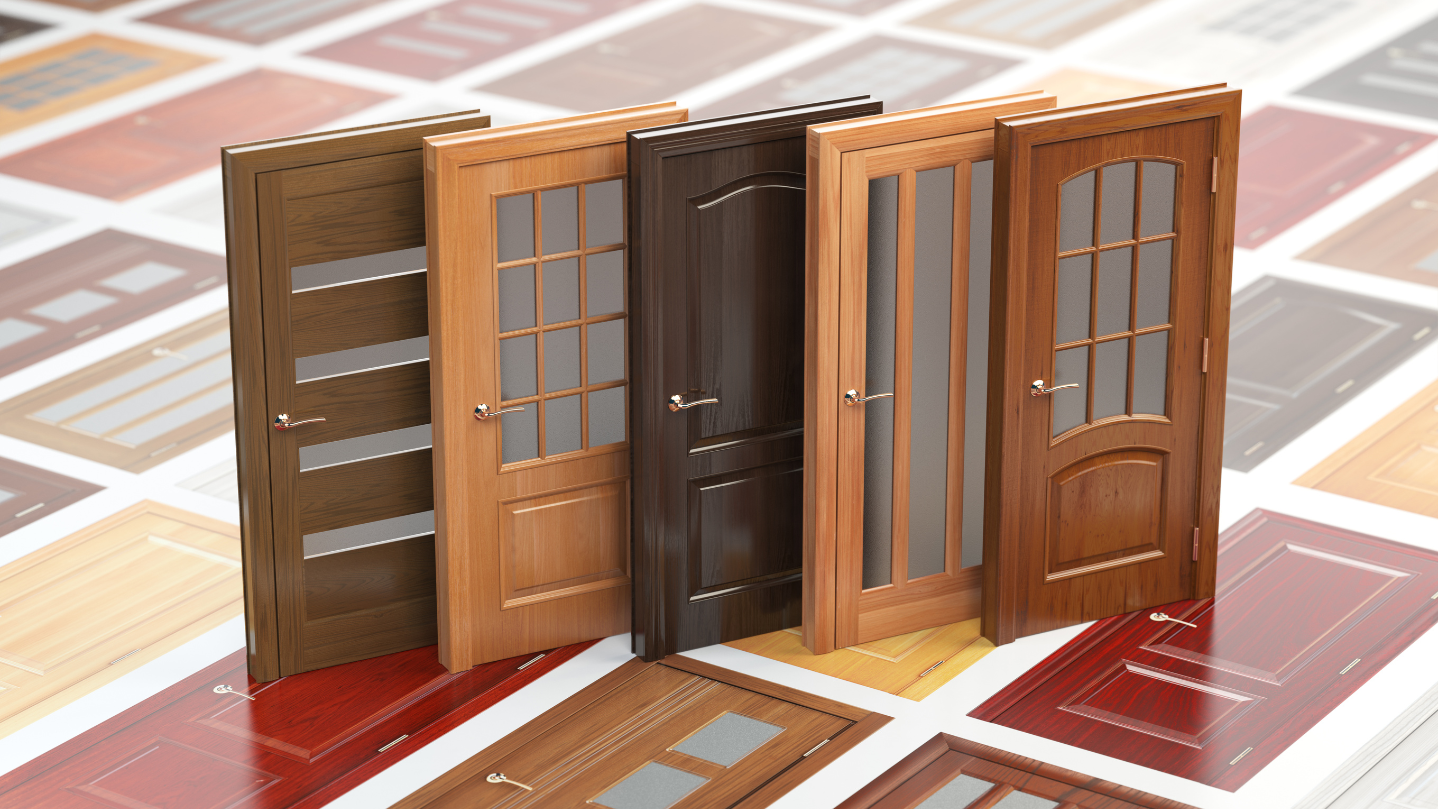
When it comes to double glazing, most people focus on frames and style, but the type of glass you choose can make just as big a difference. Each glass option offers unique benefits depending on your climate, lifestyle, and the location of your windows and doors. Here’s a breakdown of the five main options:
Low-E Glass (Low Emissivity)
Think of Low-E glass like insulation built into your window. It has a near-invisible coating on the inside of the outer pane, which reflects heat while still letting light in. In summer, it’s great to reduce the amount of heat entering the home.
Low-E can help lower energy bills and improve year-round protection from UV damage without having to tint your windows.
Toned Glass
Made by adding additives that give colours (like grey, green, or blue) during manufacturing, toned glass naturally reduces the amount of sunlight and glare.
They’re ideal for sun-exposed windows, especially west-facing ones. It helps control heat and adds a layer of daytime privacy, though it may not be the best choice if you want to capture winter warmth from northern sun.
Privacy Glass
Sometimes called translucent or frosted glass, privacy glass allows light in while obscuring the view. Privacy glass options are perfect for bathrooms, front doors, or street-facing windows where you want natural light but don’t want people seeing in.
Laminated Glass
Also known as safety glass, laminated glass is made of two or more sheets bonded together with a vinyl interlayer. If it breaks, the interlayer keeps the pieces in place. They’re great for extra security against intruders, reduced risk of injury, better sound insulation, and added UV protection. Often required by building codes for full-length doors and windows.
Toughened Glass
Toughened (or tempered) glass is heat-treated or chemically treated to be up to five times stronger than standard glass. If it does break, it shatters into small blunt pieces rather than sharp shards. It’s lighter than laminated glass and ideal where durability matters, so they are generally safer for bathrooms, doors, or large windows where strength is essential.
Choosing What’s Right
The “best” glass depends on where your windows are, how much light and privacy you want, and whether safety or energy efficiency is your top priority. The good news is you don’t have to pick just one. Many homes use a mix of glass types in different areas to suit their needs.
Get a free online quote
Use our simple online calculator to receive an instant estimation for your project. Please note the instant estimate is for white frames and doesn't include installation or accessories. Prices are subject to change.